


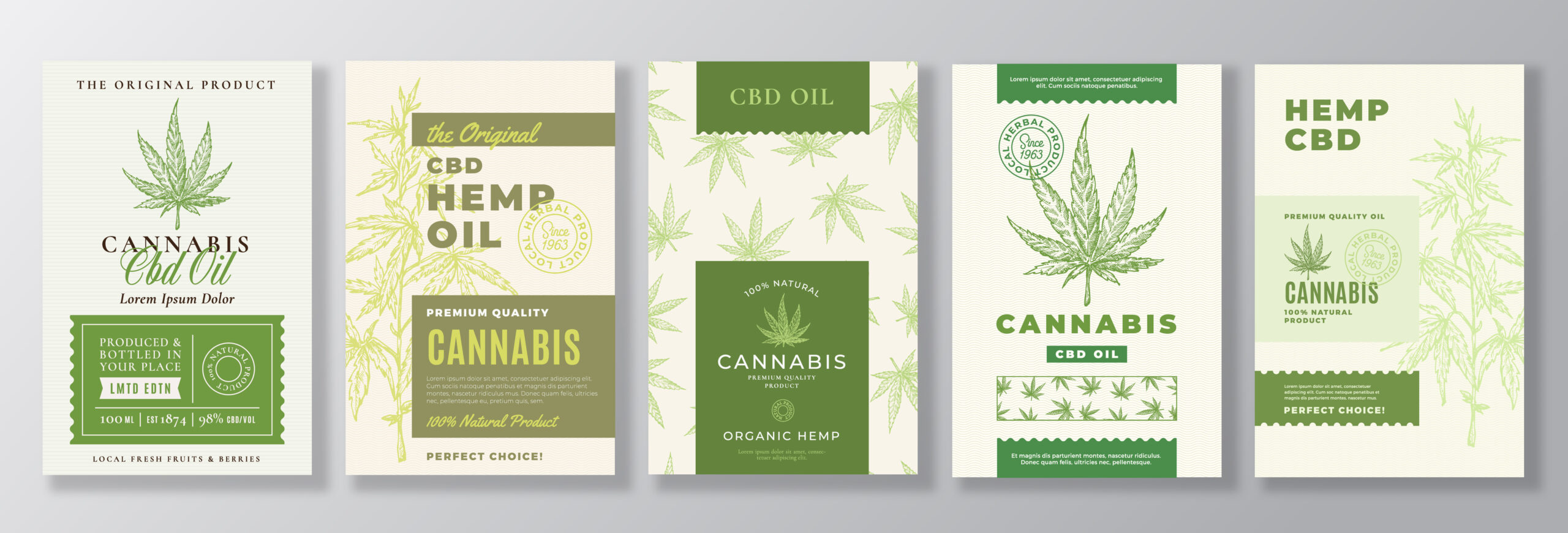
Cannabis packaging involves lots of branding decisions, but more importantly, they have legal requirements. Every product that hits a shelf has to meet strict rules designed to protect consumers, regulators, and the credibility of the industry as a whole. Done right, compliant packaging builds trust and keeps your brand moving forward. Done wrong, it can lead to fines, recalls, product seizures, or being pulled from stores entirely.
The challenge is that there is no single national standard. Each state writes its own rules, and they change often. That means cannabis brands must understand both the universal requirements most states share and the state-specific differences that can make or break compliance.
In this blog, we’ll break down what every cannabis brand needs to know about packaging and compliance.

The Universal Compliance Standards Most States Require
Even though every state has its own rules, there is a core set of packaging and labeling requirements that show up almost everywhere. Treating these as your foundation makes it far easier to stay compliant, especially if you sell in multiple states or plan to expand.
Most states require:
- Child-resistant packaging: Packaging must be difficult for children to open, but still usable for adults, typically certified to PPPA standards.
- Tamper-evident features: Customers and regulators must be able to tell if a package has been opened or altered.
- Opaque and not appealing to minors: Bright colors, cartoon graphics, or candy-style imagery are widely restricted. Many markets also require opaque packaging for edibles.
- Required warnings and disclaimers: Most states mandate specific statements like “Keep out of reach of children” or “For adult use only.”
- Lab testing information: Proof that products have passed safety and potency testing must be clearly displayed.
- Serving size and potency display: THC/CBD totals and per-serving amounts must be clearly shown to help prevent accidental overconsumption.
- Universal cannabis symbol: Many states require a designated icon to indicate THC content at a glance.
Mastering these baseline elements reduces your risk across markets and gives you a compliant framework to build on. When these essentials are handled consistently, adapting to state-specific variations becomes a refinement, not a full redesign.
Where States Differ
Once the universal rules are covered, the real complexity comes from the details that change state to state. These differences are often small, but they matter from a compliance perspective.
Here are the biggest areas where states diverge:
- Mandatory warning language and exact phrasing: Some states require specific sentences word-for-word and reject labels with even minor variations.
- Placement rules: Certain information must appear on the primary panel, not the back, flap, or insert.
- Design restrictions: States vary widely on what is considered “appealing to minors.” Some ban bright colors entirely, others only restrict cartoon imagery or confectionary mimicry.
- Exit bag vs. product-level child resistance: Some states allow a compliant exit bag at checkout. Others require every unit to be child-resistant.
- Edibles have their own layer of rules: Scoring for portions, imprinting THC symbols, dosage per piece, and visibility of the product all shift by state.
- State cannabis symbols differ: California, Colorado, Massachusetts, and Michigan all use unique icons with different size and placement requirements.
Understanding these differences early prevents misprints, repackaging, and compliance complaints. Treating cannabis packaging as state-specific is the only way to scale safely.
Staying Compliant as Laws Evolve
Cannabis compliance is never “set it and forget it.” Laws change frequently, sometimes with long transition periods, sometimes with almost none. Brands that treat packaging as a one-time task are the ones most often forced into urgent reprints or costly recalls.
To stay ahead, smart operators build compliance into their workflow instead of reacting after the fact.
These are some tips on how to stay compliant long-term:
- Track regulatory updates regularly: Rules change at the state, municipal, and product-category level. Staying informed prevents surprises.
- Design with flexibility in mind: Use modular labels, secondary stickers, or print-on-demand elements so updates don’t require a complete redesign.
- Plan ahead for changes: If a state announces a new warning or symbol requirement, don’t wait for enforcement. Update before the deadline.
- Treat compliance as a routine, not a rescue mission: A quarterly packaging review is cheaper than a reactive recall.
When laws evolve (and they will) brands that are proactive avoid disruption. A compliance mindset protects time, money, and reputation before anything goes wrong.

Compliance by Design for Multi-State Operators
For MSOs and brands expanding beyond a single state, cannabis packaging compliance becomes exponentially more complex. Copying one state’s label to another rarely works. What’s compliant in Colorado may be non-compliant in New Jersey or Massachusetts.
Instead of customizing from scratch every time, successful MSOs design with compliance in mind from day one.
Common MSO challenges:
- Same product, multiple label requirements
- Varying child-resistant rules by state
- Different THC symbols and warning language
- Retailers refusing non-compliant SKUs at intake
- Reprints draining budgets and delaying launches
How to solve it:
- Build a core brand system with consistent typography, color, and hierarchy
- Layer in state-specific elements (stickers, panels, or inserts) per market
- Maintain a compliance change log to track each state’s active rules
- Work with vendors who understand multi-state regulatory differences
Compliance by design prevents brands from rebuilding every time they enter a new market.
Partnering With a Compliance-Savvy Packaging Provider
You don’t have to navigate the compliance maze alone. Working with a packaging partner who understands state-by-state regulations can save brands enormous time, money, and stress.
Expert partners rescue risk by catching compliance gaps before labels go to print, preventing costly reprints, anticipating rule changes, and ensuring every SKU ships ready for retail intake and inspection. They also bring compliance audits, certified solutions of child resistance and tamper evidence, regulatory foresight, and practical guidance on designing.
Vertical Supply builds compliance into the design from the start. Our packaging solutions are engineered to scale as laws evolve so your brand stays protected long after launch.
Compliance Is Protection, Not a Penalty
Strong compliance protects brands without slowing them down. It safeguards customers, keeps products on shelves, and strengthens the credibility of the legal cannabis industry. Plus, fixing mistakes later is always more expensive than doing it right the first time.
Work with Vertical Supply to build compliant, scalable packaging solutions that stand up in every state as the rules evolve. Start your compliance-ready packaging build with us here.